You are buying a feeling. Check the fabric.
Adidas, Uniqlo and Calvin Klein all had ads banned this summer over one vague word. Five checks that catch it before you buy.
You are on a product page. There is a small green leaf next to the price with the word “recycled” underneath it, no number or data to be seen anywhere. You feel briefly good about yourself as you add it to the basket and proceed to checkout.
That feeling is what the entire business model is built upon, and this summer three very large brands got caught selling it.
Three brands got caught
In June, the UK’s advertising watchdog went through fashion’s ads on Google and came back with three brands that were clearly greenwashing: Adidas, Uniqlo and Calvin Klein.
The watchdog is called the ASA, and its job is deciding whether an advert misleads people. It can only ban the advert, but it cannot touch the product. So the shoes get to stay, and the sentence about the shoes does not.
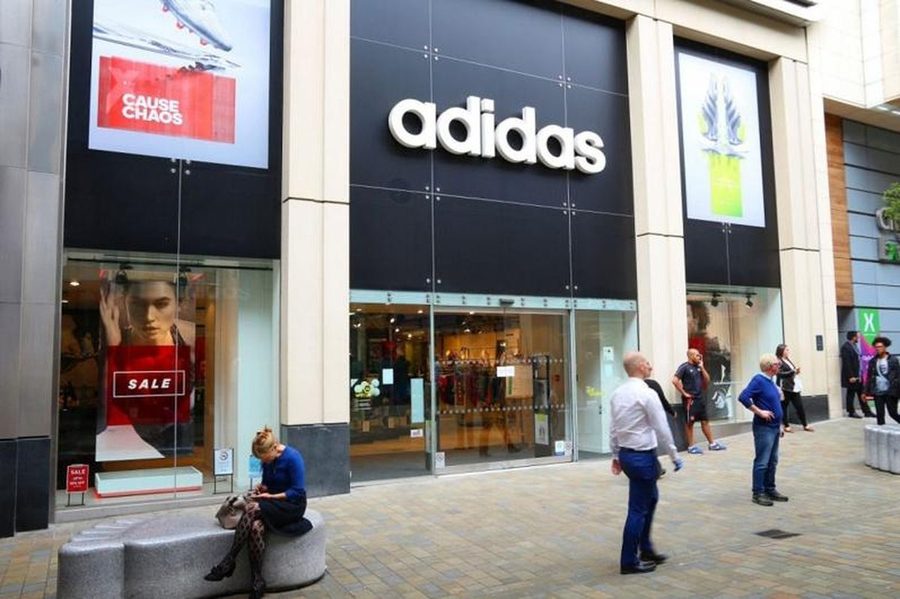
Adidas advertised “Recycled Running Shoes,” then admitted, when asked, that there was no recycled running shoe range. There was no range. There was a phrase that generated money.
Uniqlo put “Recycled Materials” on its fleece jackets, where the outer fabric was recycled while the zips and labels were living entirely separate lives.
Calvin Klein sold “Responsibly sourced collections,” in which some (heavily implied on some) items genuinely were, and the rest were standing nearby hoping it would rub off. Kinda like when nepo babies who completely lack talent decide that they are now the ones carrying their father or mother’s legacy.
Same trick, three costumes.
Recycled almost always means bottles
Here is the part that ruins the word forever.
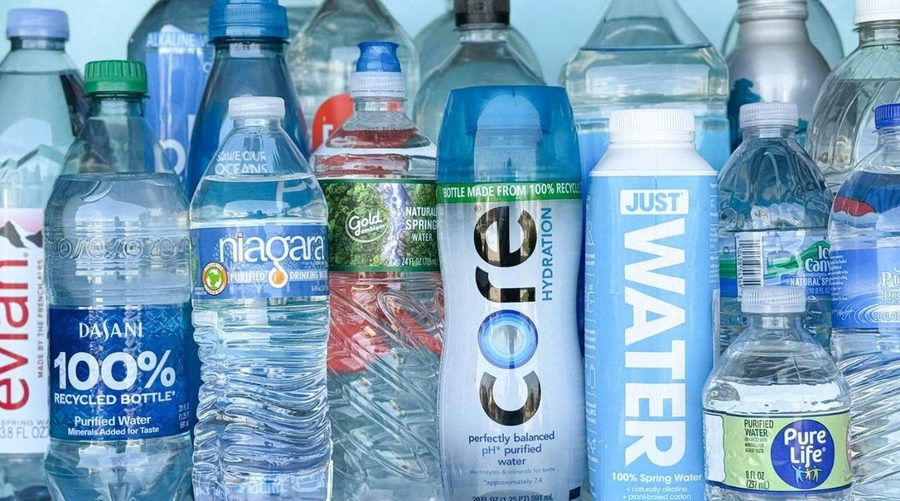
When a brand says “recycled polyester,” it hardly ever means old clothes. It means bottles, roughly 98 to 99 percent of the time, according to Textile Exchange, a nonprofit that tracks where fabric actually comes from. Under 1 percent of it comes from discarded clothing.
So your wardrobe is not being reincarnated. Someone’s lunchtime water bottle is.
Which means the recycled fleece did not rescue a jumper from landfill, it pulled a bottle out of a bottle recycling system that was coping beautifully without it. And a bottle can go on being a bottle almost indefinitely, whereas the moment it becomes a fleece, that is its final career move.
The bottle did not get a second life. It got a shorter one with better marketing.
Five checks before you buy
-
Look for a number.
“Recycled” on its own means nothing. Any brand with a percentage worth having will print the percentage. If it’s hidden, someone has done the maths and decided you shouldn’t see it.
-
Ask which part.
The outer fabric can be recycled while the lining, the thread and the zip are not. That’s the Uniqlo move, and coat season is about to be full of it.
-
Check the actual item.
“Our conscious collection” tells you nothing about the thing in your basket. A collection cannot be conscious. Neither can a pair of trousers, whatever they’re charging for them.
-
Spot the mood words.
“Recycled polyester” describes a fabric. “Conscious,” “responsible” and “eco” describe a feeling somebody had in a meeting. Mood words aren’t regulated, and that is exactly why they are there.
-
Do not trust a logo on its own.
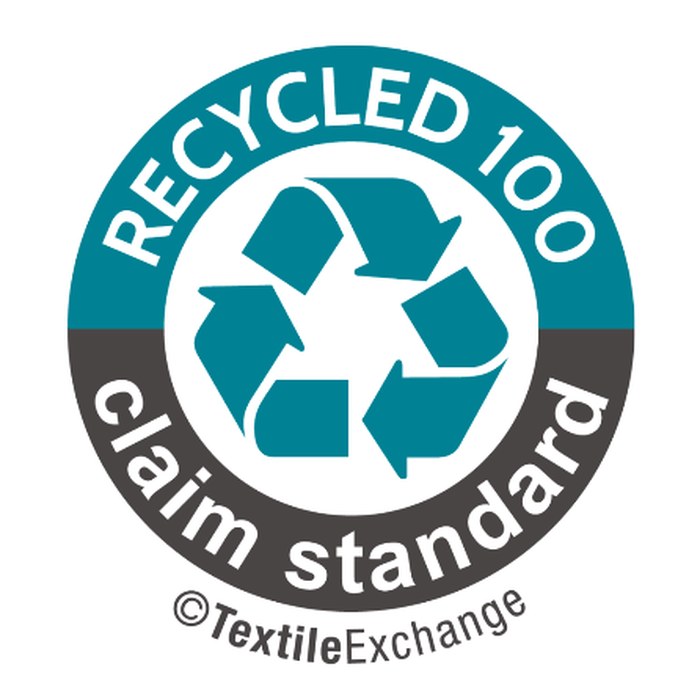
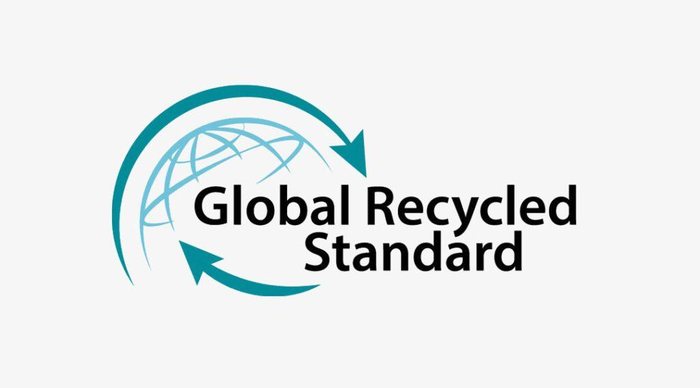
There are two big recycled certificates and they are not the same. RCS will certify a product at 5 percent recycled content. GRS wants 50 percent before its logo goes near the label. So a logo can be completely genuine and still tell you almost nothing. Kinda like calling dinner homemade because you opened the jar yourself.
And what happens to the brands
Not much, honestly.
The ASA cannot fine anyone. It pulls the advert and writes down what happened, in a document nobody at Adidas is reading twice. Three adverts came down. The product pages did not move an inch.
There is a bigger watchdog behind it called the CMA, which can fine a company up to 10 percent of its global sales. It has not pointed that at a fashion brand yet. Everyone is being very calm about that.
So a vague green claim currently costs a brand one advert and one mildly awkward afternoon. It’s a parking ticket for something that behaves a lot more like shoplifting.
Which raises a question worth sitting with. This marketing is plainly not aimed at anyone who reads the label, so who is it aimed at, and how many of us are still buying the feeling?
Sources
letsrecycle.com · Freeths · Business of Fashion · Textile Exchange · ASA sanctions · Lewis Silkin on the CMA